 “Buddhism is a religion to about 300 million people around the world. The word comes from ‘budhi’, ‘to awaken’. It has its origins about 2,500 years ago when India Siddhartha Gotama, known as the Buddha, was himself awakened (enlightened) at the age of 35.
Siddhartha Gautama, the man who would become the Buddha, was a royal figure born in the region of modern-day Nepal, near India, around the 6th century BCE. After a sheltered life of luxury, his encounters with old age, sickness, and death prompted a quest for the truth about human suffering. He renounced his princely life and attained enlightenment under a Bodhi tree in Bodh Gaya, India, becoming the Buddha, the founder of Buddhism.
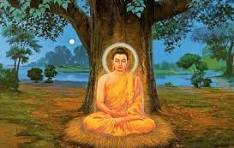
People who follow the Buddhist way of life are known as Buddhists. They follow the teachings of Siddhartha Gautama (the Buddha) to end suffering and achieve a state of nirvana. Nirvana is achieved when a state of complete liberation from suffering, desire, and the cycle of rebirth (samsara) exists within the individual.
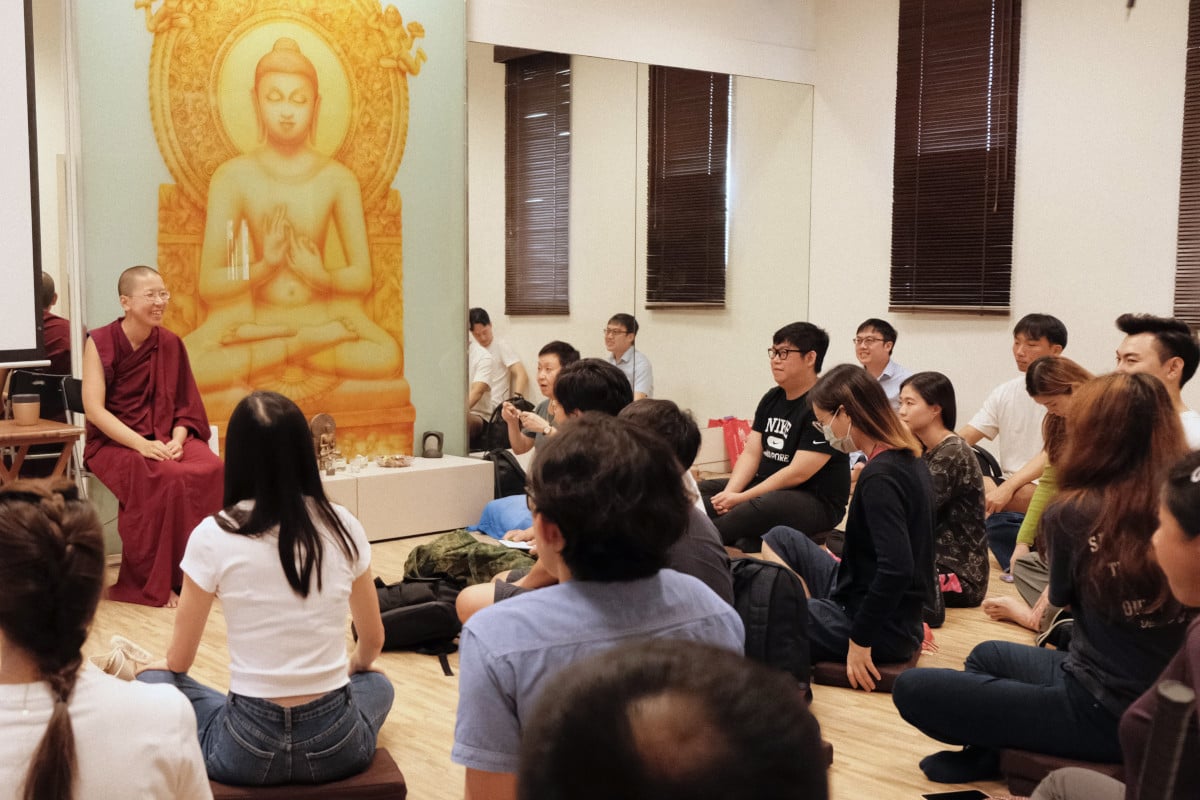 While some may grow up in the tradition, others are drawn to Buddhism as a philosophy, moral code, or a method for mental training. Buddhism offers a path to happiness and well-being by focusing on the present moment, ethical conduct, compassion, and controlling the mind. To many, Buddhism goes beyond religion and is more of a philosophy or ‘way of life.’ (Philosophy means ‘love of wisdom’ derived from the Greek words philo or love and sophia or wisdom). The Buddhist path can be summed up as:
- to lead a moral life,
- to be mindful and aware of thoughts and actions, and to develop wisdom and understanding.
- to develop wisdom and understanding.

From its Indian origins, Buddhism spread throughout Asia, playing a significant role in the culture and spirituality of China, Japan, and Southeast Asia. In the 20th century, it spread to the West, and its influence continues to grow. There are several major schools, such as Theravada, Mahayana, and Vajrayana, each with its unique traditions and practices.”
https://www.upay