 “In 161 A.D., the Roman Empire was governed by absolute power, under the guidance of the four Stoic Virtues of courage, wisdom, justice, and temperance.
The famous historian Edward Gibbon wrote that ‘under Marcus Aurelius, the last of the Five Good Emperors, the Roman Empire was governed by absolute power, under the guidance of wisdom and virtue’.
The guidance of wisdom and virtue… That’s what separates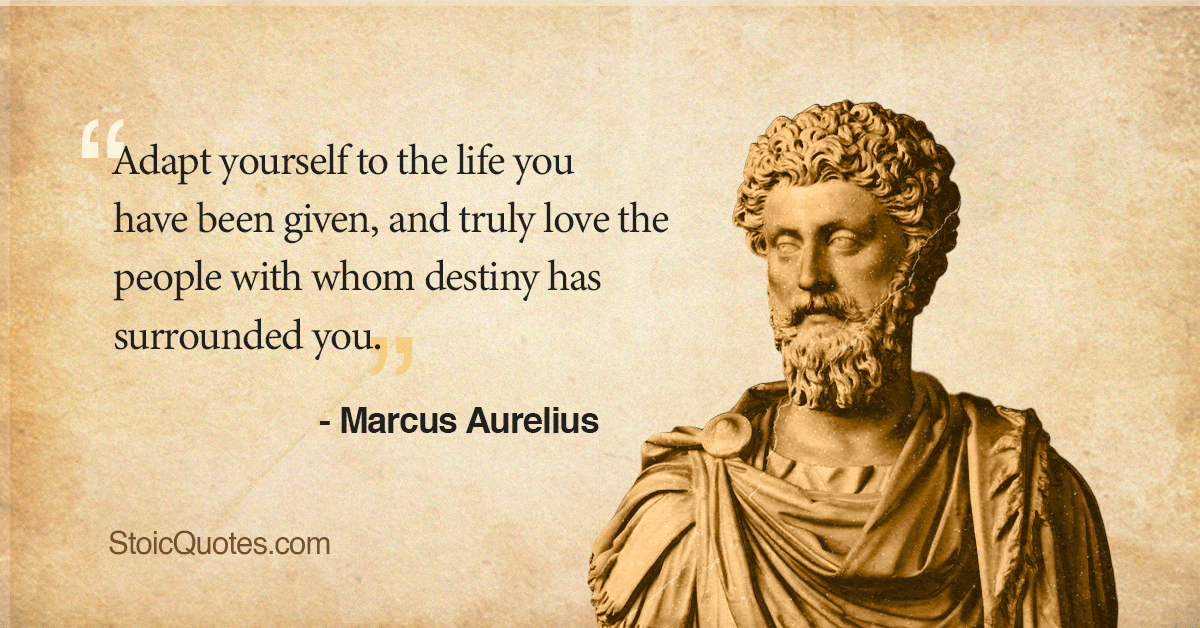 Marcus from the majority of past and present world leaders. Just look at the journal that he left behind, which is now known as his Meditations: the private thoughts of the most powerful man in the world, admonishing himself on how to be more virtuous, more just, more immune to temptation, and wiser. Trained in Stoic philosophy, Marcus Aurelius stopped almost every night to practice a series of spiritual exercises—reminders designed to make him humble, patient, empathetic, generous, and strong in the face of whatever he was dealing with. His Stoicism was a valuable, practical philosophy.
 Courage, Temperance, Justice, and Wisdom are the most essential values in Stoic philosophy. ‘If, at some point in your life,’ Marcus Aurelius wrote, ‘you should come across anything better than justice, truth, self-control, courage—it must be an extraordinary thing indeed.’ That was almost twenty centuries ago. We have discovered a lot of things since then—automobiles, the Internet, cures for diseases that were previously a death sentence—but have we found anything better?
…than being brave
…than moderation and sobriety
…than doing what’s right
…than truth and understanding?
No, we have not. It’s unlikely we ever will. Everything we face in life is an opportunity to respond with these four traits.”
dailystoic.com