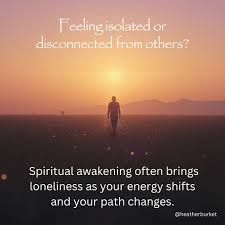
“Spiritual journeys are often romanticized as fulfilling, uplifting, and deeply connected. But for many, the reality of spiritual ascension is far more complicated. Along the path, seekers may find that as their awareness expands, their sense of connection with others shrinks. Why does spiritual ascension so often feel lonely? And what can be done about the sense of isolation that sometimes shadows awakening?
Spiritual ascension, sometimes called awakening, refers to a profound shift in consciousness. It’s a process of growth that can be triggered by meditation, life events, or inner searching. People who experience ascension often describe a newfound sense of purpose and clarity. But they also describe feeling misunderstood, alienated, and even cut off from friends and family whose lives continue unchanged.

When your worldview shifts, you may find it harder to relate to those who haven’t experienced the same changes. Old conversations start to feel trivial. Priorities shift. The language you use to describe your new insights can seem foreign to friends or family.
Much like climbing a mountain, the path grows narrower as you rise. Fewer people share the view from each new vantage point. According to recent research, spiritual loneliness is not just common – it’s almost inevitable for those who pursue deep, personal transformation.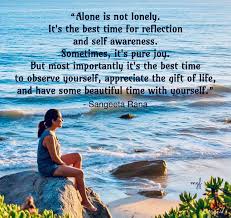
Many traditions see time spent alone as essential for spiritual growth. But there’s a difference between chosen solitude and the ache of unwanted loneliness. The literature draws a distinction between ‘aloneness’ which can be peaceful, and ‘loneliness,’which is often tinged with pain and longing.
The paradox is this: as you become attuned to your own soul, you may also become more aware of separateness. Research consistently links spiritual growth to improved well-being, including greater resilience and a deeper sense of purpose. Yet this growth rarely happens without discomfort. The psychological impact can include confusion, sadness, and a sense of loss for one’s former identity. Some studies suggest that the process is similar to other major life transitions, with periods of grief, uncertainty, and ultimately integration.
The loneliness experienced on a spiritual journey can itself be transformative. It acts as an invitation to humility and deeper self-inquiry. Rather than resisting the sense of separateness, many traditions encourage seekers to ‘remain with the world’ – to find wisdom not just in ascent, but also in descent, returning to everyday life with a deeper capacity for compassion.

Is there a way to ease the isolation that comes with spiritual ascension? Research and lived experience suggest several approaches:
- Community: Seek out groups on-line or in person, where authentic spiritual conversations are welcome.
- Creative Expression: Journaling, art, and music can be powerful outlets for feelings that are hard to express verbally.
- Service: Helping others can restore a sense of belonging and purpose.
- Mindfulness: Practices such as meditation can help transform loneliness into a deeper connection with self and the present moment.
The journey of spiritual ascension is both beautiful and challenging. If you feel lonely, know that you are not alone. Many seekers walk this path, and the sense of isolation can itself be a source of wisdom and connection. By embracing both the highs and the lows, you can find a deeper sense of belonging – not just with others but with yourself. Reach out as there are communities and resources ready to welcome you. Share your story, seek connection, and remember transformation may be solitary, but you are never truly alone.”
https://www.crystalwind.ca, Alexandra Voss