Thomas Merton was a monk, poet, and spiritual writer who died in 1968 at 53 years old. He wrote almost 50 books devoted to understanding the Christian and Buddhist principles. Merton became a keen proponent of interfaith understanding by exploring Eastern religions through study and practice. He pioneered dialogue with prominent Asian spiritual figures, including the Dalai Lama and Japanese writers.
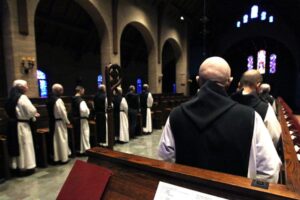
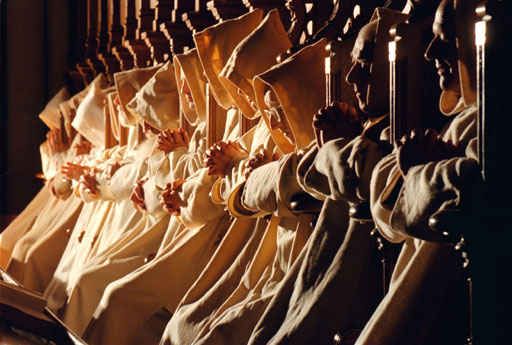

The Dalai Lama speaks of his 1968 encounter with Thomas Merton and the need for religions to highlight “what unites us.” Comments from the Dalai Lama also stated Me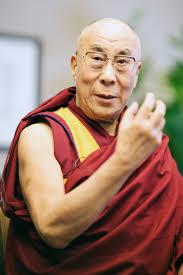 rton’s desire to remain “perfectly faithful” to Christianity.
Jesuit priest, Father James Martin wrote in America, The Jesuit Review, “An early eye-opener for me was my meeting with the Trappist monk Thomas Merton in India shortly before his untimely death in 1968. Merton told me he could be perfectly faithful to Christianity, yet learn in depth from other religions like Buddhism.”

Father Martin continued, “Granted, every religion has a sense of exclusivity as part of its core identity. Even so, I believe there is genuine potential for mutual understanding. While preserving faith toward one’s own tradition, one can respect, admire, and appreciate other traditions. A main point in my discussion with Merton was how central compassion was to the message of both Christianity and Buddhism. In my readings of the New Testament, I find myself inspired by Jesus’ acts of compassion. His miracle of the loaves and fishes, his healing, and his teaching are all motivated by the desire to relieve suffering. 
The focus on compassion that Merton and I observed in our two religions strikes me as a strong unifying thread among all the major faiths. And these days, we need to highlight what unifies us.”
americamagazine.org